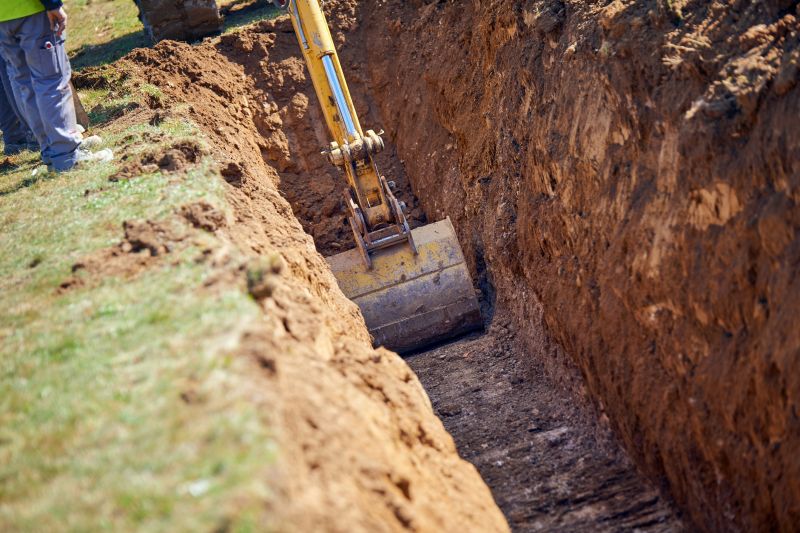
Backhoe Trenching in Salt Lake City, UT
Backhoe trenching services involve the use of heavy machinery to dig narrow, precise trenches in residential properties. These trenches are commonly used for installing underground utilities such as water lines, electrical cables, sprinkler systems, or drainage solutions. Property owners typically request this service when planning landscaping projects, yard upgrades, or utility installations that require accurate and efficient excavation in confined spaces.
Before requesting backhoe trenching, property owners should consider the location and depth of the trenches needed, as well as any existing underground utilities or obstacles that could affect the work. It’s also helpful to understand the purpose of the trenches and any specific requirements for the project, such as trench width or slope. Having clear information about the scope and details of the project can ensure the trenching service is performed effectively and safely.
Many property owners in Salt Lake City, UT look into Backhoe Trenching for repairs, replacements, upgrades, and appearance-related improvements.
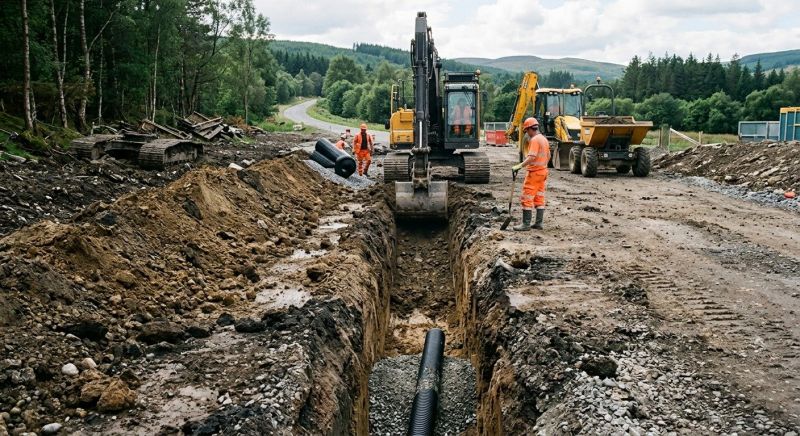
Foundation And Utility Trenches
Backhoe trenching is essential for laying utility lines and preparing foundations on residential properties in salt lake city, ut.
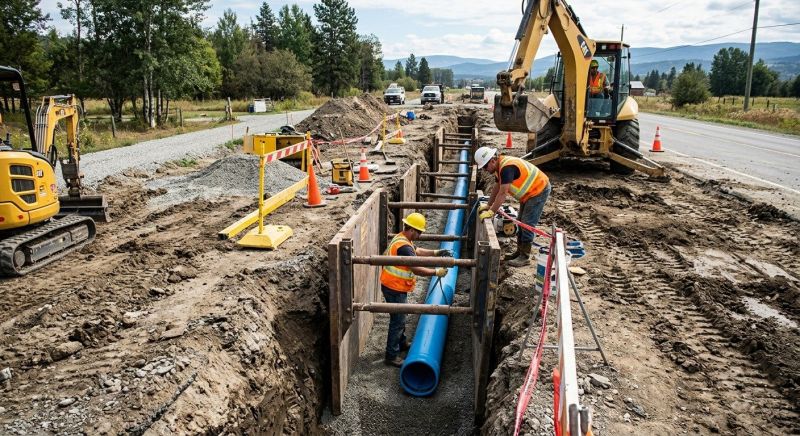
Landscaping And Drainage
Creating trenches for drainage systems and landscape features helps improve water management and property aesthetics.
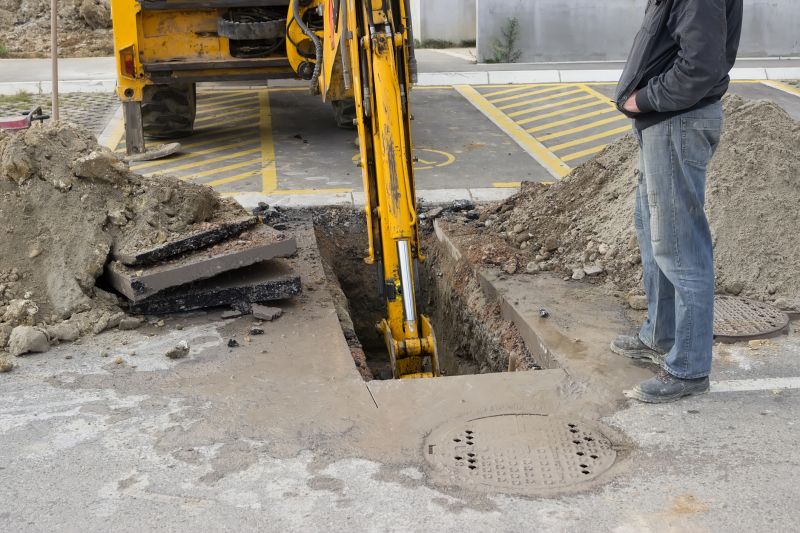
Construction And Excavation Projects
Backhoe trenching supports various construction projects by providing precise and efficient excavation solutions for property owners in the area.
Backhoe Trenching in Salt Lake City, UT
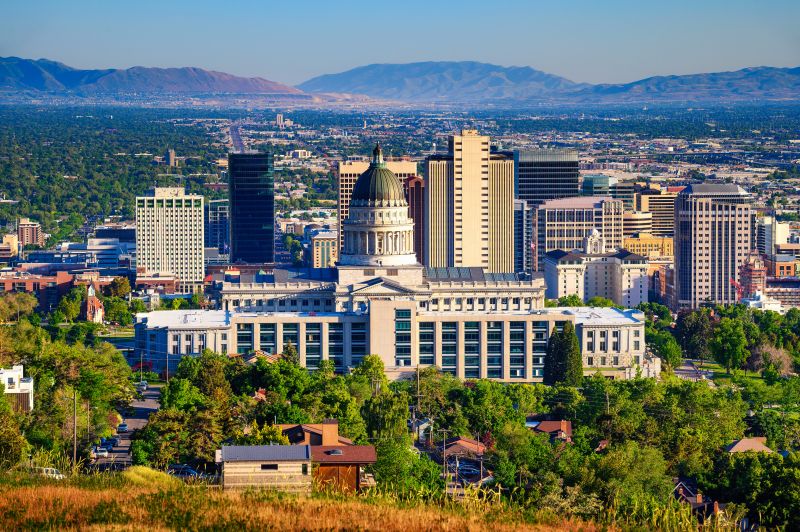
Backhoe trenching services involve the use of heavy machinery to dig narrow, precise trenches in residential properties. These trenches are commonly used for installing underground utilities such as water lines, electrical cables, sprinkler systems, or drainage solutions. Property owners typically request this service when planning landscaping projects, yard upgrades, or utility installations that require accurate and efficient excavation in confined spaces.
Before requesting backhoe trenching, property owners should consider the location and depth of the trenches needed, as well as any existing underground utilities or obstacles that could affect the work. It’s also helpful to understand the purpose of the trenches and any specific requirements for the project, such as trench width or slope. Having clear information about the scope and details of the project can ensure the trenching service is performed effectively and safely.
Many property owners in Salt Lake City, UT look into Backhoe Trenching for repairs, replacements, upgrades, and appearance-related improvements.
Common Backhoe Trenching Jobs
Drainage installation - trenches for proper water flow and runoff management.
Utility line installation - creating pathways for electrical, water, or gas lines.
Foundation excavation - preparing sites for building or expanding structures.
Landscape grading - shaping the land for erosion control and aesthetic appeal.
Fence and retaining wall trenches - digging for posts and support structures.
Sewer and septic system work - excavating for septic tanks and underground piping.
Backhoe Trenching Questions
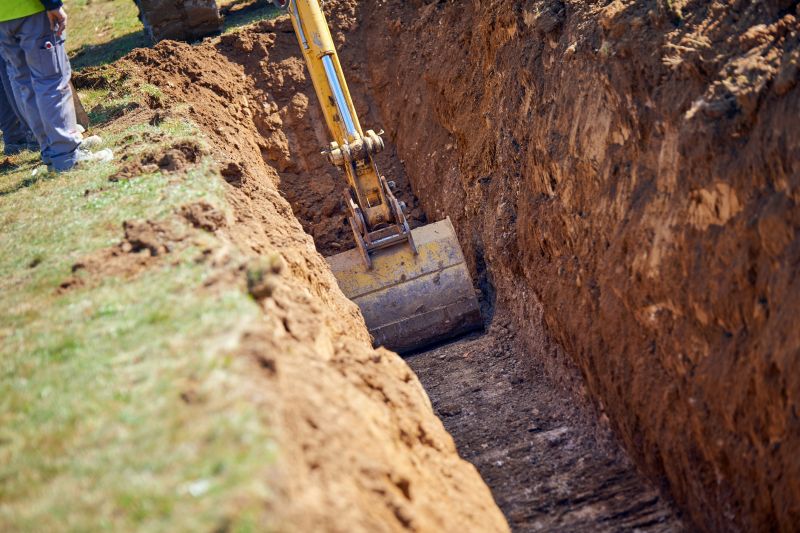
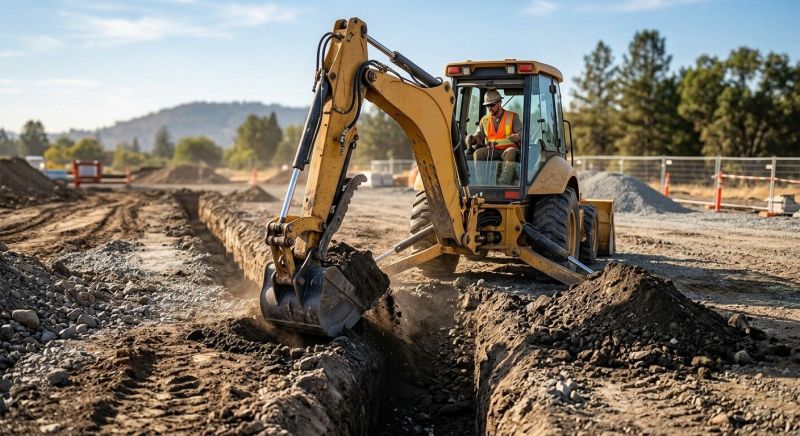
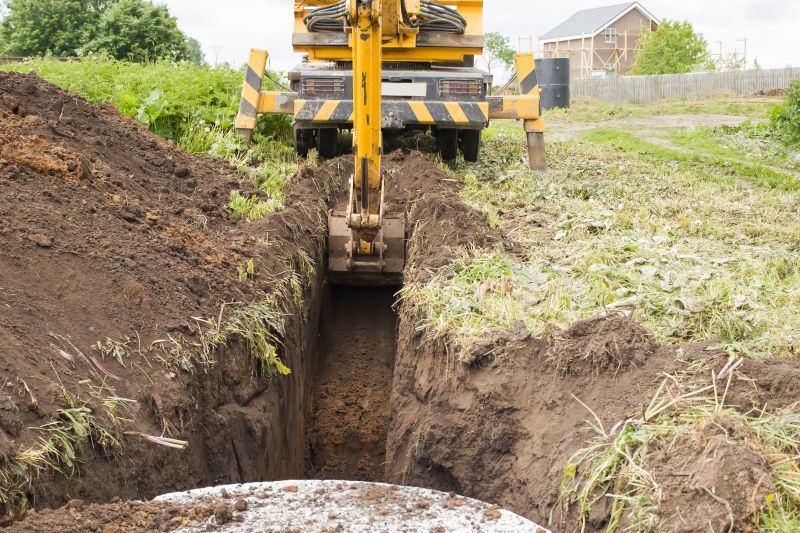
What types of projects require backhoe trenching? Backhoe trenching is ideal for installing utility lines, drainage systems, irrigation, and foundation work around residential and commercial properties.
How deep can a backhoe trench? Backhoes typically can dig trenches up to 8 to 12 feet deep, depending on the equipment and soil conditions.
Is backhoe trenching suitable for all soil types? Backhoe trenching works well in most soil types, but extremely rocky or compacted soils may require additional equipment or techniques.
What should property owners know before scheduling trenching? It's important to identify underground utilities and consider access points to ensure safe and efficient trenching around the property.
Request Backhoe Trenching in Salt Lake City, UT
Use the quote form on this page to share the basics of your project and request more information for the type of work you need.